
Tag: Geopolitis
-
Interest Rate Outlook for Canada Amid U.S. Tariff Turbulence: What Lies Ahead?
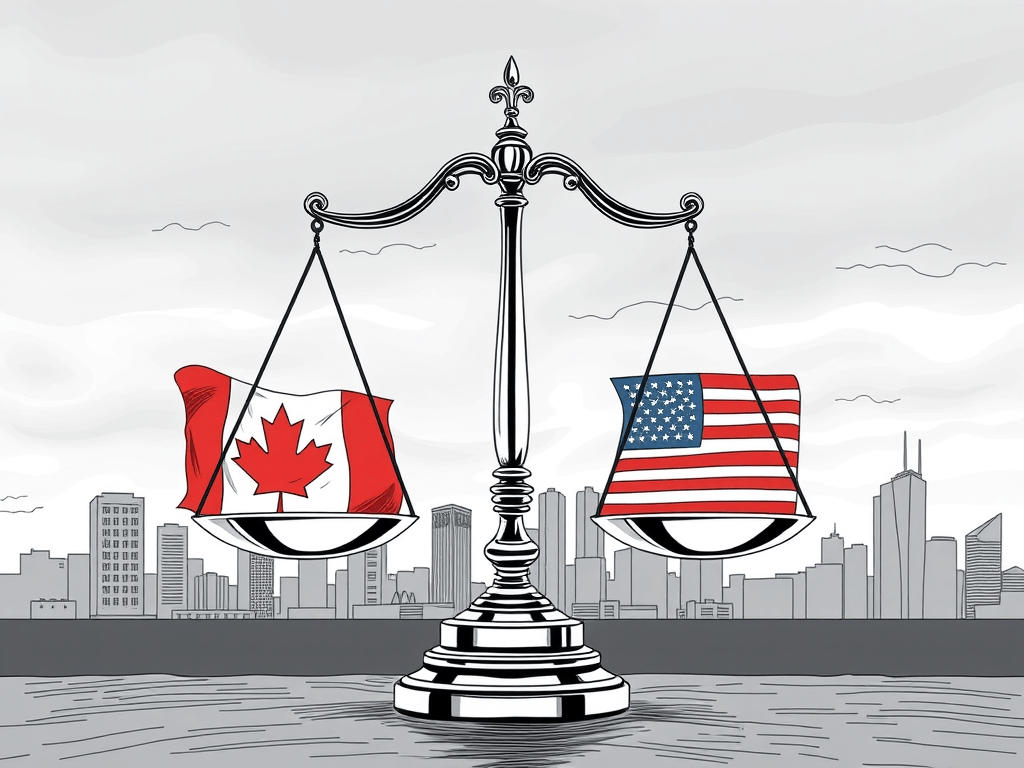
On April 16, 2025, the Bank of Canada maintained its interest rate at 2.75% amid global economic uncertainty due to renewed U.S. tariffs. The BoC outlined two scenarios: one optimistic with potential rate cuts if tariffs are reversed, and another pessimistic involving stagflation and possibly rising rates if tariffs persist.
-
Canada at Trade War: How Canada Should Respond to U.S. Tariffs
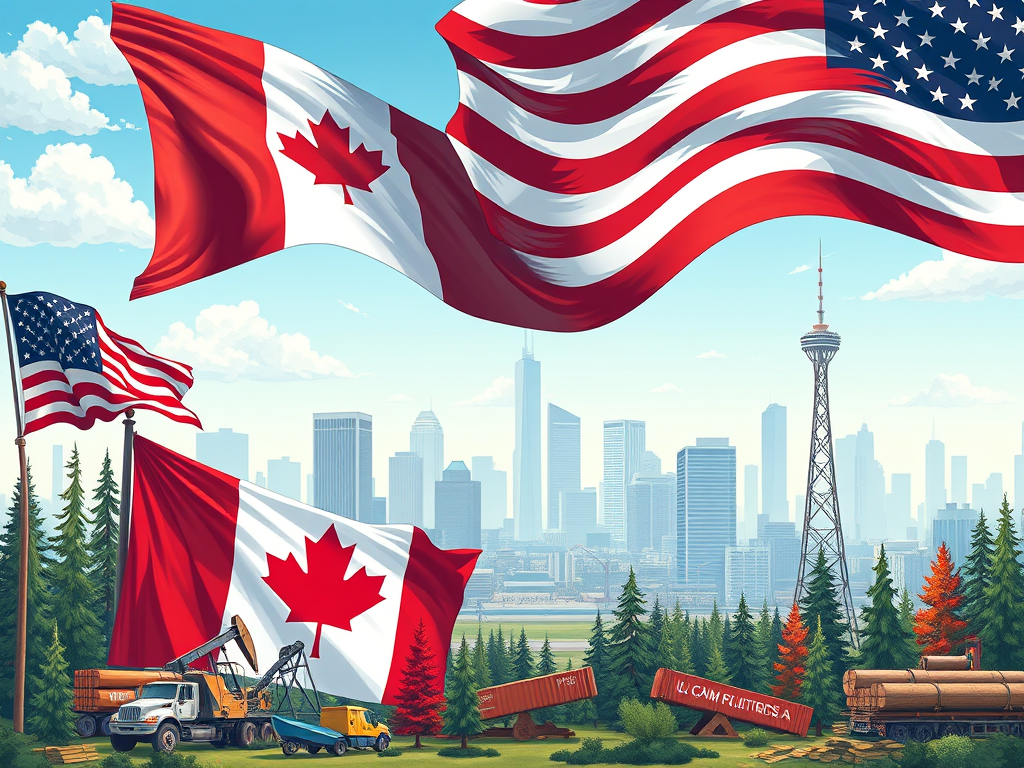
The Canada-U.S. economic relationship is undergoing significant changes due to Trump’s trade policies, as detailed by economist Dan Ciuriak. Canada faces potential GDP declines and must diversify trade, bolster infrastructure, and modernize policies to enhance resilience and reduce dependence on the U.S. for economic stability and independence.
-
Geoeconomic Risks and Canada’s Economic Outlook: Navigating Uncertainty
The recent analysis by The Conference Board of Canada highlights a growing pessimism among Canadian businesses due to escalating geoeconomic risks. Despite easing inflation and falling interest rates, confidence remains shaky due to looming threats such as an incoming slowdown in population growth and rising tensions with the United States. This uncertainty has led to…
-
Impact of Trump Tariffs on Canada’s Economy
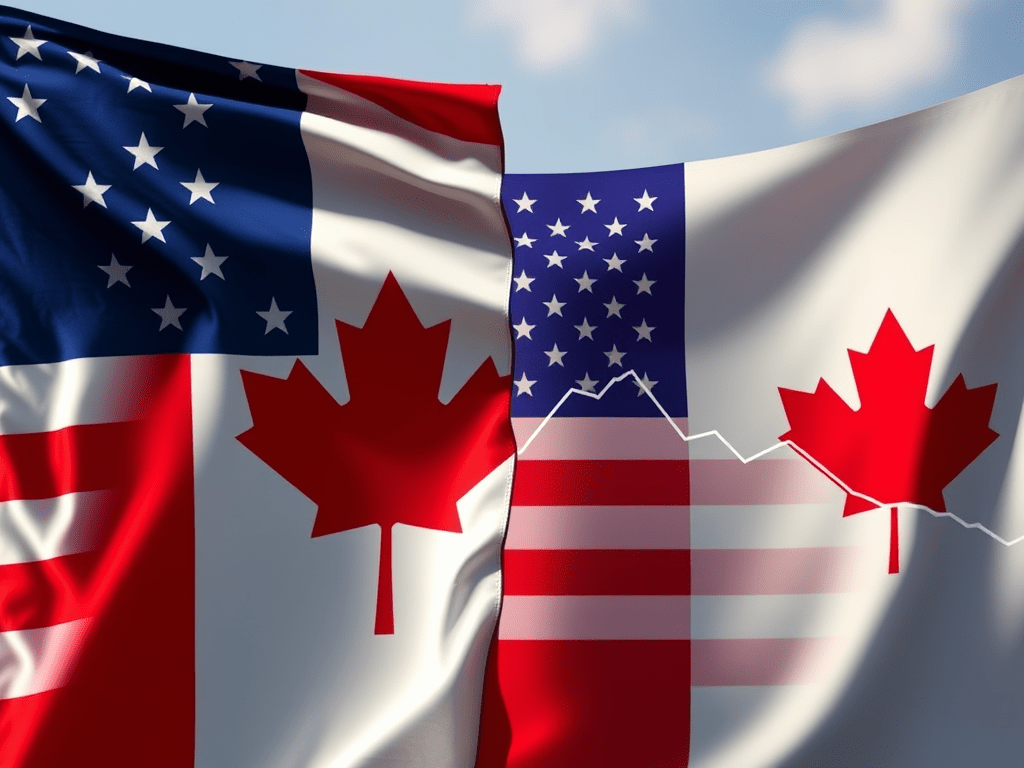
The Conference Board of Canada’s report analyzes the economic fallout from proposed U.S. tariffs on Canadian imports. It predicts a 1.3% GDP decline nationally by 2025, with significant job losses and rising inflation. Provinces like Alberta, Saskatchewan, Ontario, and Quebec will face notable reductions in GDP due to various sector impacts.
-
Navigating Economic Challenges: Insights from Canada’s Economic Outlook and Global Trends

Introduction Policymakers, companies, and investors must all grasp the intricate interactions between economic factors in today’s dynamic global economy. With an emphasis on Canada’s economic outlook and worldwide trends, this article explores significant revelations from recent economic reports. Strong population growth and expected monetary policy changes have supported Canada’s economy despite obstacles including sticky inflation…
-
Navigating the Inflation Conundrum: Central Banks’ Agonizing Choices and the Implications for Financial Markets

The key concepts discussed in the article “The trouble with sticky inflationInvestors must prepare for sustained higher inflationThe costs of taming price rises could prove too unpalatable for central bank” Overall, the article highlights the complex challenges and potential consequences associated with managing inflation and making choices in the current economic climate. https://www.economist.com/leaders/2023/06/22/investors-must-prepare-for-sustained-higher-inflation
-
The Consequences of Elevated Uncertainty: Impacts on Economy, Politics, Society, and Environment

Elevated uncertainty can lead to negative consequences in various domains, including economic instability, political turmoil, social disruption, and environmental degradation. Uncertainty can arise from a range of factors, such as economic, political, social, and environmental factors. It is crucial to address the underlying causes of uncertainty and mitigate its negative consequences to ensure the stability…
-
The Geopolitical System Undergoing a Systematic Transformation: Challenges and Opportunities.

The geopolitical system is changing rapidly due to economic shifts, emerging technologies, and changes in military and political power. This transformation is leading to increased fragmentation and confrontation among emerging and established powers, creating significant challenges for the global community. To address these challenges, nations must work together to promote stability and cooperation.
-
1- What Is Geopolitics?

Geopolitics is the study of how geography affects politics and international relations. Under geopolitics, analysts study actors and how the interact with one another.
-
Shatter belts

Modern geopolitics views geography as a set of opportunities and limitations that affect the decision-makers range of options rather than as an unchangeable destiny. This geographical factor, together with the political options chosen, can lead to very different outcomes from region to region. For instance, Cohen (1991) distinguished between “gateways” and “shatter belts.” Gateways are regions…
 SAFAVI, M