
Category: Economic Topics
-
Interest Rate Outlook for Canada Amid U.S. Tariff Turbulence: What Lies Ahead?
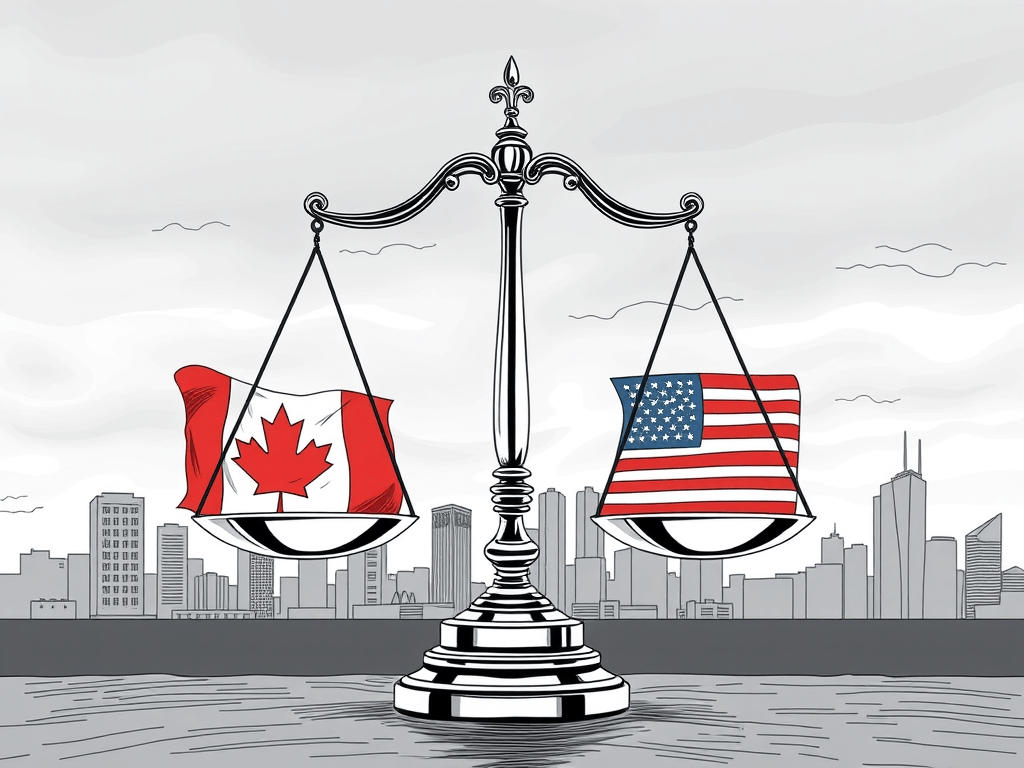
On April 16, 2025, the Bank of Canada maintained its interest rate at 2.75% amid global economic uncertainty due to renewed U.S. tariffs. The BoC outlined two scenarios: one optimistic with potential rate cuts if tariffs are reversed, and another pessimistic involving stagflation and possibly rising rates if tariffs persist.
-
Canada at Trade War: How Canada Should Respond to U.S. Tariffs
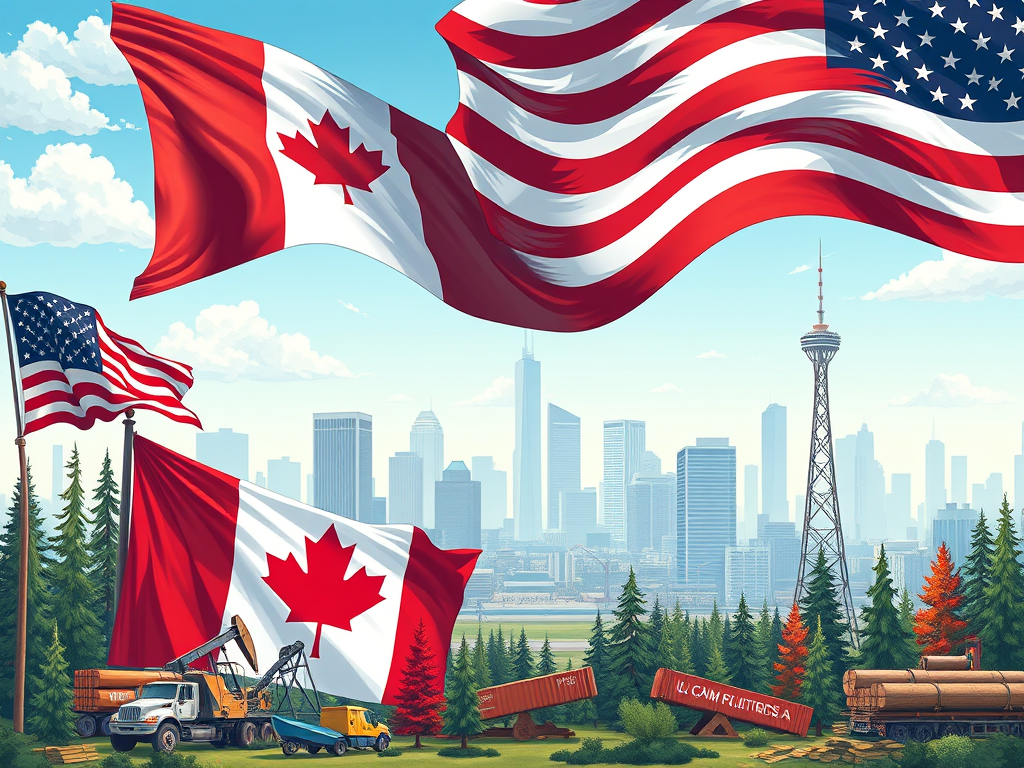
The Canada-U.S. economic relationship is undergoing significant changes due to Trump’s trade policies, as detailed by economist Dan Ciuriak. Canada faces potential GDP declines and must diversify trade, bolster infrastructure, and modernize policies to enhance resilience and reduce dependence on the U.S. for economic stability and independence.
-
How Tariffs Drive Up Housing Costs in Canada

The new tariffs on Canadian energy products and exports will raise costs for businesses and consumers, worsening inflation and housing affordability, particularly in Northeastern Ontario. Short-term impacts include higher construction costs, while long-term effects may push companies to seek alternative trade partners, affecting productivity and job stability. A comprehensive policy response is essential.
-
Geoeconomic Risks and Canada’s Economic Outlook: Navigating Uncertainty

The recent analysis by The Conference Board of Canada highlights a growing pessimism among Canadian businesses due to escalating geoeconomic risks. Despite easing inflation and falling interest rates, confidence remains shaky due to looming threats such as an incoming slowdown in population growth and rising tensions with the United States. This uncertainty has led to…
-
Impact of Trump Tariffs on Canada’s Economy

The Conference Board of Canada’s report analyzes the economic fallout from proposed U.S. tariffs on Canadian imports. It predicts a 1.3% GDP decline nationally by 2025, with significant job losses and rising inflation. Provinces like Alberta, Saskatchewan, Ontario, and Quebec will face notable reductions in GDP due to various sector impacts.
-
Navigating Economic Challenges: Insights from Canada’s Economic Outlook and Global Trends

Introduction Policymakers, companies, and investors must all grasp the intricate interactions between economic factors in today’s dynamic global economy. With an emphasis on Canada’s economic outlook and worldwide trends, this article explores significant revelations from recent economic reports. Strong population growth and expected monetary policy changes have supported Canada’s economy despite obstacles including sticky inflation…
-
Analyzing Monetary Policy Perspectives in USA and Canada: Insights and Recommendations
Abstract The recent monetary policy statements from the Bank of Canada (BoC) and the Federal Reserve serve as vital indicators of the current economic landscape. This analysis breaks down the perspectives of both central banks, emphasizing their strategies amidst varying economic conditions. While the BoC maintains a cautious stance, the Fed anticipates potential rate adjustments…
-
Central Bank Digital Currencies (CBDCs): Transforming Monetary Policy and Financial Inclusion

Central Bank Digital Currencies (#CBDCs) are transforming finance! Created and governed by central banks, these digital representations of fiat money offer benefits like financial inclusion, faster payments, and enhanced control. Get ready for a new era in monetary systems! #DigitalCurrency
-
Economic Development Opportunities and Small Business Ideas for Rural Communities in Canada

Canada’s rural communities have evolving economic development opportunities, from agri-food to renewable energy, tourism to the digital economy. Small businesses, from agri-tourism to sustainable energy, can drive growth and prosperity. Let’s support rural Canada! 🌾🌿🌞💻🏞️ #ruraleconomy #smallbusiness #Canada
-
The Economic Impacts of the Pandemic on Manufacturing and Supply Chains and Future Transformation

The COVID-19 pandemic has brought significant challenges to the manufacturing industry, but it has also highlighted the importance of agility, resilience, and innovation. Companies that invest in digital technologies and prioritize collaboration will be better equipped to navigate the changing landscape.” #manufacturing #COVID19 #resilience #innovation
 SAFAVI, M