

Introduction
Canada’s rural communities offer unique economic development opportunities that can promote growth and prosperity. Some of these opportunities include the agri-food sector, renewable energy, tourism, the digital economy, and natural resource-based industries. Over the past decade, changes in the focus on certain sectors, the expansion of the digital economy, and shifts in the demand for natural resources have impacted rural communities. However, these changes have also created new opportunities for small businesses to thrive and promote economic development. From agri-tourism to sustainable energy businesses, there are many small-scale ventures that can help rural areas tap into their potential and create jobs while supporting local communities. In this article, we will explore some of these small businesses and their potential to promote economic growth in rural areas of Canada.
Exploring Economic Development Opportunities and Changes in Canada’s Rural Communities
There are several interesting economic development opportunities for Canada’s rural communities, including:
- Agri-food sector: Canada’s agri-food sector is a significant contributor to the country’s economy, and it offers promising opportunities for rural communities. Agriculture, aquaculture, and food processing are key sectors that can create jobs and promote economic growth in rural areas.
- Renewable energy: Rural communities can tap into renewable energy sources such as wind, solar, and biomass, which can help reduce energy costs and create local jobs in installation, maintenance, and operation of renewable energy infrastructure.
- Tourism: Canada’s rural areas are known for their scenic beauty, wildlife, and outdoor recreation opportunities, making them attractive tourist destinations. Developing tourism infrastructure and services, such as accommodations, food, and guided tours, can help create new jobs and stimulate economic growth.
- Digital economy: With the rise of remote work and e-commerce, rural communities can tap into the digital economy by offering high-speed internet connectivity, co-working spaces, and business support services to attract tech-savvy entrepreneurs and startups.
- Natural resource-based industries: Canada’s rural areas are rich in natural resources such as minerals, timber, and fish, which can support industries such as mining, forestry, and fishing. These industries can create jobs and generate economic activity in rural communities, but they also require careful management to ensure environmental sustainability.
The agri-food sector is a vital part of the Canadian economy, contributing significantly to the country’s GDP and employing millions of people across the country. In rural communities, agriculture, aquaculture, and food processing are key sectors that can create jobs and promote economic growth.
Agriculture involves the production of crops and livestock for food, fuel, and fiber. Rural areas are well-suited for agricultural production because of the availability of land and natural resources. By adopting innovative and sustainable farming practices, rural communities can increase agricultural productivity and generate new economic opportunities in areas such as organic farming, agroforestry, and niche markets.
Aquaculture involves the cultivation of fish, shellfish, and other aquatic organisms. With Canada’s extensive coastline and freshwater resources, rural communities have great potential for developing sustainable aquaculture industries. This can create jobs in areas such as fish farming, processing, and distribution.
Food processing involves transforming raw agricultural products into value-added products such as packaged foods, beverages, and supplements. Rural communities can benefit from developing local food processing industries that can add value to local agricultural products and create new job opportunities.
Renewable energy: Rural communities can tap into renewable energy sources such as wind, solar, and biomass, which can help reduce energy costs and create local jobs in installation, maintenance, and operation of renewable energy infrastructure. Renewable energy can help rural communities achieve energy self-sufficiency and reduce their carbon footprint. In addition, many rural communities have access to natural resources that can be used for renewable energy production, such as wind and solar resources. By investing in renewable energy infrastructure, rural communities can attract new businesses, support local economic development, and contribute to Canada’s overall transition towards a low-carbon economy.
Renewable energy has become an increasingly important part of Canada’s energy mix, with many provinces and territories setting ambitious targets for renewable energy generation. In 2019, renewable energy sources accounted for approximately 18% of Canada’s total electricity generation, and this share is expected to increase in the coming years.
Some examples of rural communities in Canada that have successfully implemented renewable energy projects include:
Pincher Creek, Alberta: This town has become a hub for wind energy in Canada, with several large wind farms located in the area. The wind energy industry has brought new jobs and economic opportunities to the community.

Oxford County, Ontario: This county has set a goal of achieving 100% renewable energy by 2050, and has implemented a number of initiatives to achieve this goal, including the installation of solar panels on public buildings and the development of a biomass energy project.
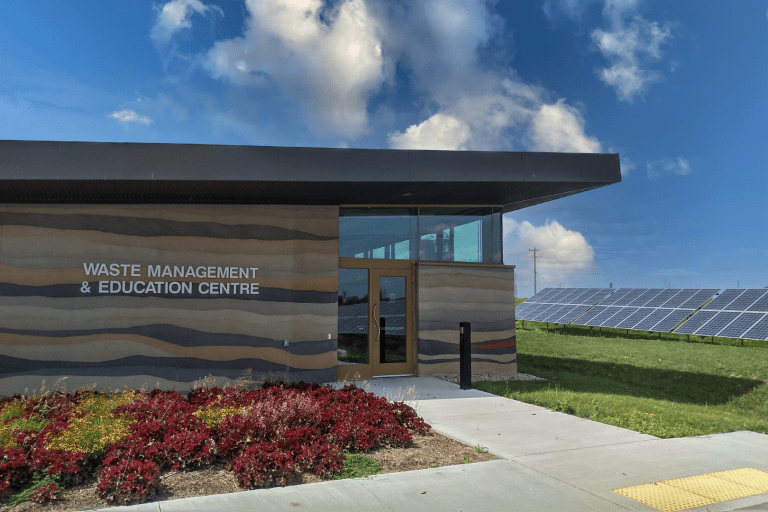
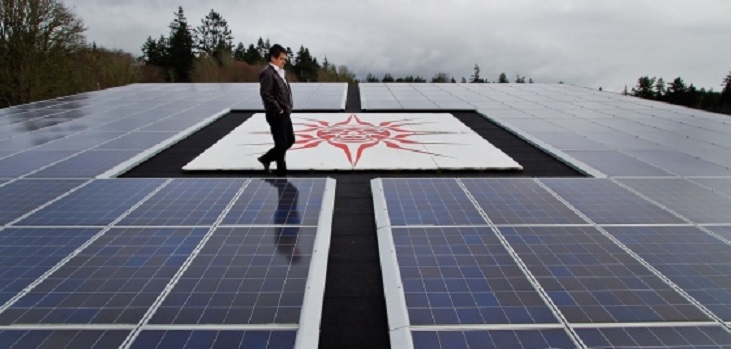
T’Sou-ke First Nation, British Columbia: This First Nation community has implemented a range of renewable energy projects, including a solar-powered community centre and a hydroelectric power plant. These projects have created new jobs and helped the community achieve energy self-sufficiency.
Tourism can be a key driver of economic growth in rural areas of Canada. Rural communities are often known for their scenic beauty, wildlife, and outdoor recreation opportunities, making them attractive tourist destinations. By developing tourism infrastructure and services, such as accommodations, food, and guided tours, rural communities can create new jobs and stimulate economic growth. This can also help preserve local culture and heritage by promoting local artisans, festivals, and traditions.
Tourism development can be particularly important for rural communities that are facing economic challenges, such as declining populations, shrinking industries, and limited job opportunities. By promoting tourism, rural communities can tap into new sources of revenue and economic growth, while showcasing their unique cultural and natural assets.
However, it’s important to ensure that tourism development is done sustainably and in a way that respects local communities and environments. This means minimizing negative impacts on the environment, preserving cultural heritage, and promoting responsible tourism practices. It’s also important to involve local communities in tourism planning and development to ensure that they benefit from the industry.
The digital economy refers to economic activities that are based on digital technologies, such as e-commerce, digital media, software development, and other online services. Rural communities can benefit from the digital economy by developing their digital infrastructure, providing access to high-speed internet, and encouraging the growth of tech startups and other digital businesses. This can create new job opportunities, increase economic growth, and promote innovation in rural areas.
To tap into the digital economy, rural communities can invest in high-speed internet connectivity, which is essential for businesses and individuals to access online resources, work remotely, and engage in e-commerce. This can be done through partnerships with internet service providers, government funding, and community initiatives.
In addition to infrastructure, rural communities can also develop co-working spaces, business incubators, and other support services for startups and entrepreneurs. These spaces can provide networking opportunities, access to funding, and other resources that are essential for starting and growing a successful digital business.
Natural resource-based industries, such as mining, forestry, and fishing, have historically been important to Canada’s economy and continue to be significant contributors to the country’s rural communities. These industries can provide jobs, generate economic activity, and support local businesses. However, they also require careful management to ensure environmental sustainability and the long-term viability of these industries.
Mining can provide jobs and economic benefits to rural communities, but it can also have significant impacts on the environment and local communities. To ensure sustainable mining practices, regulations and monitoring are necessary to minimize the impacts of mining on the environment and protect the health and safety of workers and nearby communities.
Forestry is another important natural resource-based industry in rural Canada. Sustainable forestry practices, such as selective cutting and reforestation, can help ensure the long-term health and productivity of Canada’s forests while also creating jobs and supporting local economies.
Fishing is a significant industry in many rural coastal communities, providing jobs and economic activity. However, overfishing and unsustainable fishing practices can lead to the depletion of fish stocks, threatening the livelihoods of fishing communities. Sustainable fishing practices, such as quotas and restrictions on fishing methods, are necessary to ensure the long-term viability of fishing communities and the health of marine ecosystems.
Overall, there are many economic development opportunities for Canada’s rural communities. By leveraging their unique strengths and resources, rural areas can contribute to Canada’s economic growth and prosperity.
Compared to a decade ago, there have been several changes in the economic development opportunities for Canada’s rural communities. Some of the notable changes include:
- Increased focus on agri-food sector: While agriculture has always been an important economic activity in Canada’s rural areas, there has been a growing focus on the agri-food sector in recent years. This includes not only primary agriculture but also food processing, distribution, and marketing. The Canadian government has invested significantly in this sector to support rural economic growth.
- Expansion of the digital economy: A decade ago, the digital economy was still in its early stages, and many rural areas lacked access to high-speed internet connectivity. Today, the digital economy has expanded rapidly, and many rural communities have improved their internet infrastructure, making it easier to participate in e-commerce and remote work.
- Growth of renewable energy sector: Over the past decade, there has been a significant increase in the development of renewable energy infrastructure in Canada, including wind and solar power. This has created new opportunities for rural areas to generate clean energy and reduce energy costs.
- Increased tourism promotion: Canada’s tourism industry has grown in recent years, and rural communities have been able to capitalize on this growth by promoting their unique attractions, such as natural beauty, outdoor recreation, and cultural events. The Canadian government has also invested in marketing campaigns to attract more tourists to rural areas.
- Changing global demand for natural resources: Canada’s natural resource-based industries have been impacted by changing global demand, and this has affected rural communities that rely on these industries. For example, the decline in the global demand for lumber has had a negative impact on some rural communities that rely on the forestry industry.
In summary, the economic development opportunities for Canada’s rural communities have evolved over the past decade, with changes in the focus on certain sectors, the expansion of the digital economy, and shifts in the demand for natural resources. These changes offer both challenges and opportunities for rural areas as they seek to promote economic growth and prosperity.
Innovative economic development opportunities
One of the most innovative economic development opportunities for Canada’s rural communities is leveraging the potential of the circular economy. The circular economy is an economic system that aims to minimize waste, keep resources in use for as long as possible, and regenerate natural systems. It offers a unique approach to economic development that focuses on sustainable resource use, job creation, and community resilience.
Here are a few examples of how rural communities can innovate and benefit from the circular economy:
- Agroecology: Agroecology is a farming system that mimics natural ecosystems and reduces the need for inputs such as pesticides and fertilizers. By adopting agroecological practices, rural communities can reduce their environmental footprint and promote food security. This can also create new business opportunities in local food production, processing, and distribution. Agroecology is a farming system that integrates ecological principles with agricultural production. It involves mimicking natural ecosystems and reducing the use of inputs such as pesticides and fertilizers. By adopting agroecological practices, rural communities can reduce their environmental footprint, promote food security, and enhance the resilience of their farming systems. Agroecological practices include using crop rotation and intercropping to improve soil health, incorporating cover crops to suppress weeds and pests, and integrating livestock to recycle nutrients and manage weeds. These practices can help farmers reduce their use of synthetic inputs, which can be costly and environmentally damaging. In addition to the environmental benefits, agroecology can also create new business opportunities for rural communities. By promoting local food production, processing, and distribution, rural areas can enhance their economic development while providing consumers with fresh, healthy, and sustainable food options. This can include direct-to-consumer sales at farmers markets, community-supported agriculture (CSA) programs, and value-added processing such as canning, freezing, and drying. Moreover, agroecology can also create new opportunities for rural entrepreneurship. For instance, rural communities can develop cooperatives to share resources and promote collective marketing, which can help small farmers access larger markets and reduce transaction costs. Rural areas can also leverage agroecological practices to develop ecotourism programs that showcase their sustainable agricultural practices and promote rural tourism. In summary, agroecology offers a sustainable and innovative approach to rural development. By adopting agroecological practices, rural communities can reduce their environmental footprint, promote food security, and create new business opportunities in local food production, processing, and distribution.
- Biomaterials: Biomaterials are materials made from renewable resources such as wood, crops, and waste products. Biomaterials can be used in a range of products, such as construction materials, textiles, and packaging. By developing biomaterials industries, rural communities can promote local value-added processing and reduce waste. Biomaterials offer several benefits for rural development. First, they can help reduce waste by using renewable resources and by creating value-added products from agricultural and forestry residues. This can promote a more circular economy in rural areas, where waste products are turned into valuable resources. Second, biomaterials can create new business opportunities for rural communities. By developing biomaterials industries, rural areas can enhance their economic development by promoting local value-added processing and creating jobs. Biomaterials can also create new markets for agricultural and forestry products, which can help diversify rural economies and enhance their resilience. Third, biomaterials can help rural areas reduce their environmental footprint. By using renewable resources, biomaterials can help reduce the dependence on non-renewable resources and the associated environmental impacts. Moreover, biomaterials can also offer environmental benefits such as carbon sequestration and improved soil health. Overall, biomaterials offer a sustainable and innovative approach to rural development. By developing biomaterials industries, rural communities can promote local value-added processing, reduce waste, create new business opportunities, and reduce their environmental footprint. By developing these systems, rural communities can promote a more circular economy, where waste products are turned into valuable resources. This can help reduce the dependence on non-renewable resources and promote a more sustainable and resilient economy.
- Recycling and waste management: Rural communities can create new business opportunities by developing innovative recycling and waste management systems. This can include composting, waste-to-energy systems, and closed-loop material recovery. These systems can reduce waste, lower greenhouse gas emissions, and create new jobs in waste collection, sorting, and processing. Recycling and waste management are essential components of sustainable development, and they offer several benefits for rural communities. Rural areas can create new business opportunities by developing innovative recycling and waste management systems. This can include composting, waste-to-energy systems, and closed-loop material recovery. These systems can reduce waste, lower greenhouse gas emissions, and create new jobs in waste collection, sorting, and processing.
- Sustainable tourism: Rural communities can leverage the circular economy principles in developing sustainable tourism initiatives. This can include promoting eco-tourism, local food tourism, and cultural tourism that support local businesses, artisans, and farmers. By adopting sustainable tourism practices, rural communities can enhance their economic growth while preserving their natural and cultural resources. Sustainable tourism is a type of tourism that aims to minimize its impact on the environment, preserve local cultures and traditions, and support the economic development of local communities. Rural communities can leverage the circular economy principles in developing sustainable tourism initiatives. This can include promoting eco-tourism, local food tourism, and cultural tourism that support local businesses, artisans, and farmers. Sustainable tourism can provide several benefits to rural areas. It can help diversify the local economy and create new job opportunities in the tourism sector. It can also promote the preservation of local cultures, traditions, and ecosystems, which can attract tourists interested in experiencing unique and authentic travel experiences. Sustainable tourism can also contribute to the conservation of natural resources by promoting responsible travel practices and reducing the environmental impact of tourism activities. Moreover, sustainable tourism can create opportunities for local businesses and entrepreneurs to showcase their products and services. This can include promoting locally sourced food, handicrafts, and other products that reflect the local culture and traditions. By doing so, sustainable tourism can contribute to the preservation of local heritage and promote economic growth in rural areas. Overall, sustainable tourism offers a promising approach to rural development. By adopting sustainable tourism practices, rural communities can enhance their economic growth, preserve their natural and cultural resources, and promote responsible travel practices that benefit both tourists and local residents.
In summary, the circular economy offers a new and innovative approach to economic development in Canada’s rural communities. By adopting circular economy principles, rural areas can promote sustainable resource use, reduce waste, create new jobs, and enhance community resilience.
There are many small businesses that can help promote economic development in rural areas of Canada. Here are some examples:
- Agri-tourism businesses: This could include things like farm stays, farm-to-table restaurants, wineries and breweries, and other attractions that showcase local agriculture.
- Local food and beverage businesses: These could be small-scale food processors, craft breweries, coffee roasters, and other food and beverage producers that use local ingredients and support local farmers.
- Artisan and craft businesses: These could include artisans who produce handmade goods such as pottery, jewelry, textiles, and other crafts that could be sold locally or online.
- Outdoor recreation businesses: This could include tour companies, guide services, and outfitters that offer guided hikes, fishing trips, hunting trips, and other outdoor activities.
- Home-based businesses: Rural areas offer many opportunities for home-based businesses such as freelance writing, graphic design, web development, and other online services.
- Sustainable energy businesses: This could include companies that install solar panels or wind turbines, or that offer energy-efficient home upgrades and consulting services.
- Health and wellness businesses: This could include small-scale spas, yoga studios, wellness clinics, and other businesses that offer health and wellness services.
- Recycling and waste management businesses: Recycling and waste management businesses can create jobs in waste collection, sorting, and processing.
These are just a few examples, and there are many other small businesses that can help promote economic development in rural areas of Canada.
Some innovative small businesses that could help with rural development in Canada:
- Mobile health clinics: Bringing healthcare services to rural areas through mobile health clinics can help address healthcare disparities and improve access to care. Mobile health clinics are mobile units that provide a range of healthcare services to people in rural areas. These clinics are equipped with medical equipment and staffed by healthcare professionals who travel to different locations to provide care. They can offer services such as primary care, dental care, mental health services, and vaccinations. Mobile health clinics can help address healthcare disparities in rural areas, where access to healthcare services is often limited. By bringing healthcare services directly to communities, mobile health clinics can improve health outcomes and reduce healthcare costs by providing preventative care and reducing the need for hospital visits. Innovative models of mobile health clinics in Canada include the use of telemedicine, which enables remote consultations with specialists, as well as community-led initiatives that train local residents to provide basic healthcare services and operate the mobile clinic. These initiatives can also create new jobs in healthcare and stimulate economic growth in rural areas.
- Shared commercial kitchens: Shared commercial kitchens can provide an affordable space for small-scale food producers to process and package their products, which can help promote local food systems and create jobs in food processing. Shared commercial kitchens are a cost-effective way for small-scale food producers to access commercial-grade equipment and facilities, which can be prohibitively expensive for individual businesses. By sharing a kitchen space, multiple producers can split the cost of rent, utilities, and equipment, making it easier for them to get started and grow their businesses. This can help promote local food systems, reduce food waste, and create jobs in food processing. In rural areas, shared commercial kitchens can be particularly beneficial, as they can help overcome the challenge of limited infrastructure and resources. For example, a shared kitchen can be established in a community center or a vacant storefront, providing a space for small-scale food producers to process and package their products for sale. This can include everything from baking and canning to meat processing and cheese making. Shared commercial kitchens can also help support rural entrepreneurship and small business development, as they provide an opportunity for individuals to start their own food businesses without the high costs and risks associated with building and outfitting a commercial kitchen. In addition, shared kitchens can help foster collaboration and networking among food producers, which can lead to new business partnerships and opportunities.
- Greenhouse farming: Greenhouse farming can extend the growing season and provide opportunities for year-round crop production, which can help support local food systems and create jobs in agriculture.
- Microbreweries and distilleries: Microbreweries and distilleries can use locally sourced ingredients to produce craft beer and spirits, which can help promote local tourism and support local agriculture.
- Social enterprise cafés: Social enterprise cafés can provide employment and training opportunities for marginalized populations while also serving as community gathering spaces and sources of local food and products. Social enterprise cafes are businesses that are designed to generate income while also addressing social or environmental issues. In the context of rural development, social enterprise cafes can provide employment and training opportunities for marginalized populations while also serving as community gathering spaces and sources of local food and products. These cafes can offer a range of products and services, such as coffee, baked goods, soups, and sandwiches made from locally sourced ingredients. They can also offer training and job opportunities for youth, people with disabilities, and other marginalized groups. By supporting social enterprise cafes, rural communities can promote social and economic inclusion while also promoting local food systems and supporting small-scale producers. Social enterprise cafes have been implemented in various rural communities in Canada, such as the Jolifou Inn and Café in Quebec, which is operated by the local school board and serves as a training ground for students interested in the hospitality industry. Another example is the Cafe 13 Moons in Kahnawake, Quebec, which serves as a social enterprise and provides employment and training opportunities for Indigenous youth. These social enterprise cafes can be a creative and innovative way to support local development in rural areas.
- Renewable energy installation and maintenance: Small businesses that specialize in the installation and maintenance of renewable energy infrastructure, such as solar panels and wind turbines, can help rural communities transition to more sustainable energy sources while creating jobs.
- E-commerce platforms for local products: E-commerce platforms that focus on selling local products, such as handmade crafts or specialty foods, can help rural businesses reach wider markets and promote local economic development.
- Forest restoration and management: Small businesses that specialize in forest restoration and management can help protect and enhance forest ecosystems while also providing jobs in the forestry sector.
- Outdoor adventure guides: Small businesses that offer outdoor adventure experiences, such as guided hikes or canoe trips, can help promote tourism and outdoor recreation in rural areas. Outdoor adventure guides are entrepreneurs who provide guided outdoor recreation experiences to tourists and locals alike. These experiences can include hiking, kayaking, canoeing, rock climbing, fishing, and other outdoor activities. By offering these services, entrepreneurs can attract visitors to rural areas, generate income, and help to diversify the local economy. Outdoor adventure guides often have extensive knowledge of local ecosystems and can help to promote environmental education and conservation. They may also partner with other local businesses, such as lodges, restaurants, and equipment rental companies, to create packages that offer visitors a complete outdoor adventure experience. The success of outdoor adventure guide businesses often depends on factors such as marketing and promotion, customer service, and access to suitable outdoor recreation areas. Entrepreneurs may also need to obtain licenses and permits to operate in certain areas or offer certain activities.
- Water and wastewater treatment: Small businesses that specialize in water and wastewater treatment can help rural communities access clean and safe drinking water while also protecting the environment.
Note that this is not an exhaustive list and there may be many other innovative small businesses that could support rural development in Canada.
In conclusion, Canada’s rural communities have a diverse range of economic development opportunities, including the agri-food sector, renewable energy, tourism, the digital economy, and natural resource-based industries. Over the past decade, there have been significant changes in these opportunities, with a greater focus on the agri-food sector, expansion of the digital economy, growth of renewable energy infrastructure, increased tourism promotion, and changing global demand for natural resources. Small businesses, such as agri-tourism, local food and beverage, artisan and craft, outdoor recreation, home-based, sustainable energy, health and wellness, and recycling and waste management businesses, offer great potential for promoting economic growth and prosperity in rural areas of Canada. By leveraging these opportunities and supporting small businesses, Canada’s rural communities can create jobs, attract investment, and enhance their overall economic well-being.
 SAFAVI, M