
The COVID-19 pandemic has had a significant impact on the global economy, affecting almost every industry and sector in some way. One of the areas most heavily impacted has been the manufacturing industry, which has faced numerous challenges related to disrupted supply chains, reduced demand, and workforce disruptions. However, the pandemic has also highlighted the importance of agility and resilience in the manufacturing industry, as well as the need for greater collaboration and innovation to navigate the challenges of a rapidly changing global landscape.
The pandemic has caused several challenges for the manufacturing industry, including disrupted supply chains, reduced demand for non-essential goods, and workforce disruptions due to illness or quarantine. These challenges have led to significant production delays, supply shortages, and financial losses for many manufacturers. To adapt to the challenges posed by the pandemic, manufacturers have had to implement new strategies and technologies, such as digital supply chain management, remote work and collaboration, and automation. These changes have helped manufacturers to maintain operations and improve efficiency during the pandemic.
However, looking forward, the manufacturing industry is likely to continue facing challenges related to supply chain disruptions and changing consumer demand. Companies that prioritize agility and resilience, and invest in digital technologies, may be better equipped to weather future disruptions and emerge stronger in the long run. For example, research shows that severe disruption through the pandemic is driving enterprises to make their supply chains more resilient, collaborative, and networked. The journey to digitized and lights-out operation has begun in earnest.
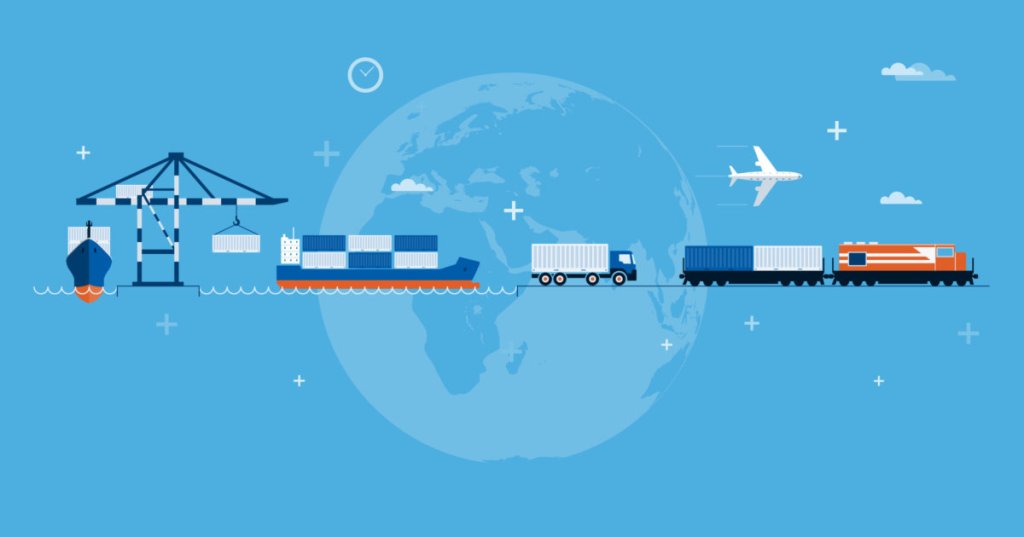
Supply chain agility and visibility are crucial components of a resilient and adaptive manufacturing industry. Supply chain agility refers to the ability of a supply chain to respond quickly and effectively to changes in demand or supply chain disruptions. An agile supply chain is able to adjust its operations, production, and distribution to meet the changing needs of customers or the market, while minimizing disruption and maintaining quality. This requires a flexible and collaborative approach, as well as the use of technology and data to improve communication and decision-making across the supply chain.
Supply chain visibility is also critical, as it allows companies to track and monitor their products as they move through the supply chain. This includes the ability to track inventory levels, monitor production processes, and manage transportation and logistics operations. The goal of supply chain visibility is to enable companies to better manage their supply chain activities, reduce costs, improve efficiency, and ensure timely delivery of products to customers.
In conclusion, the COVID-19 pandemic has brought to light the vulnerabilities and challenges faced by the manufacturing industry, but it has also provided an opportunity for companies to adapt and innovate. The pandemic has highlighted the importance of agility and resilience in the manufacturing industry, as well as the need for greater collaboration and innovation to navigate the challenges of a rapidly changing global landscape. Companies that prioritize these factors and invest in digital technologies will be better equipped to weather future disruptions and emerge stronger in the long run. The journey to digitized and lights-out operation has begun in earnest, and the future of the manufacturing industry will undoubtedly be shaped by these changes.
 SAFAVI, M